
Condition
What is visible, and what remains unknown?
Concrete repair planning · Mission Hills
Cracked walks, worn steps and awkward transitions need a plan for the concrete and the surfaces beside it. AWC defines what stays, what changes and how the entry will be used during work.
A useful first messageSend the damaged area, the entry route and adjacent walls, drains or landscape edges.
See an AWC sidewalk replacement →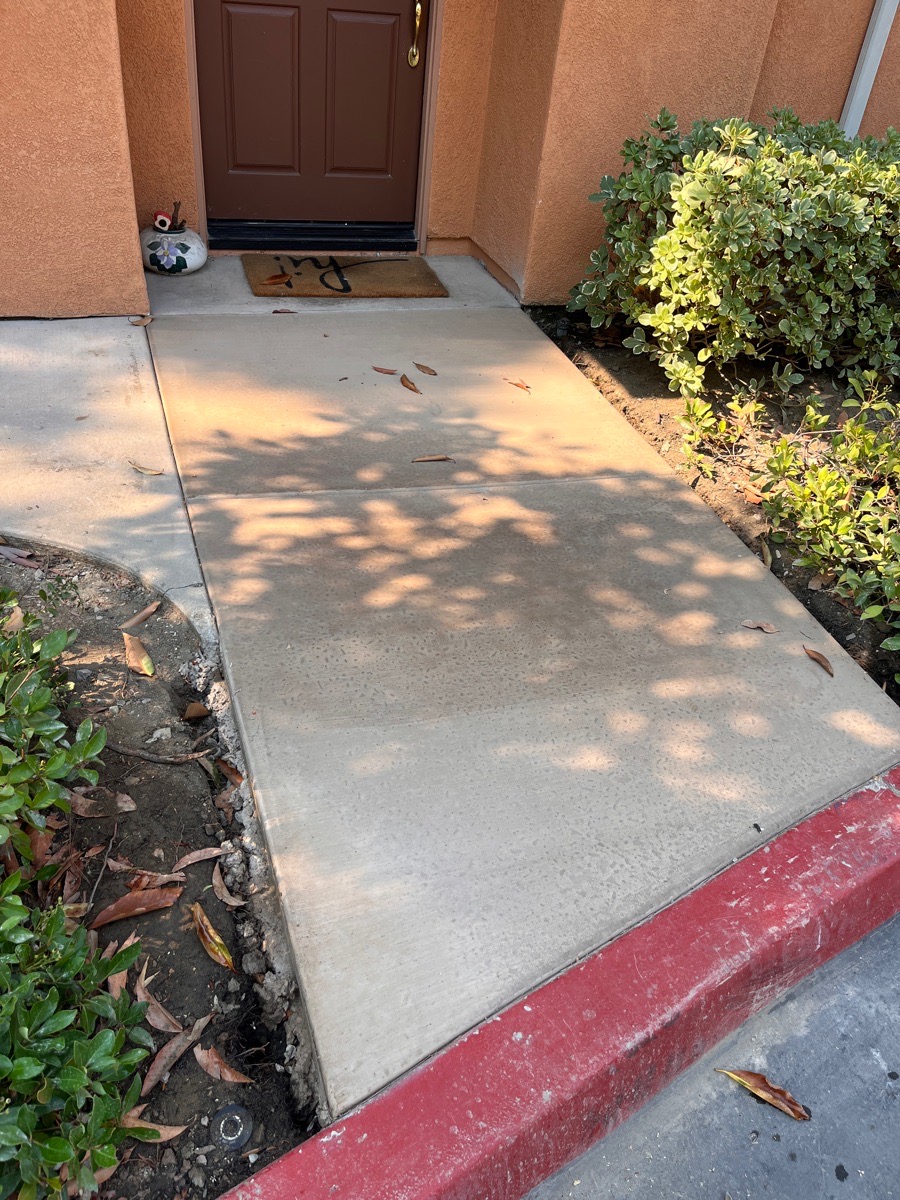
Problem → scope
Waiting can allow a broken edge, recurring water path, unstable transition, or access conflict to keep disrupting the property. Start by documenting the condition, then define what the proposed concrete work can responsibly address.
What is visible, and what remains unknown?
How do people, debris, tools, and material move?
Where is water seen to start, travel, and collect?
Which edges, walls, drains, tile, or pavers remain?
Repair-boundary map
This conceptual plan view names the places that commonly change scope. Use it to identify the connected areas that need review.
Open the repair planner →Documented AWC company work
A Santee sidewalk replacement, documented from the existing panels through the later entry view.
Review the documented stages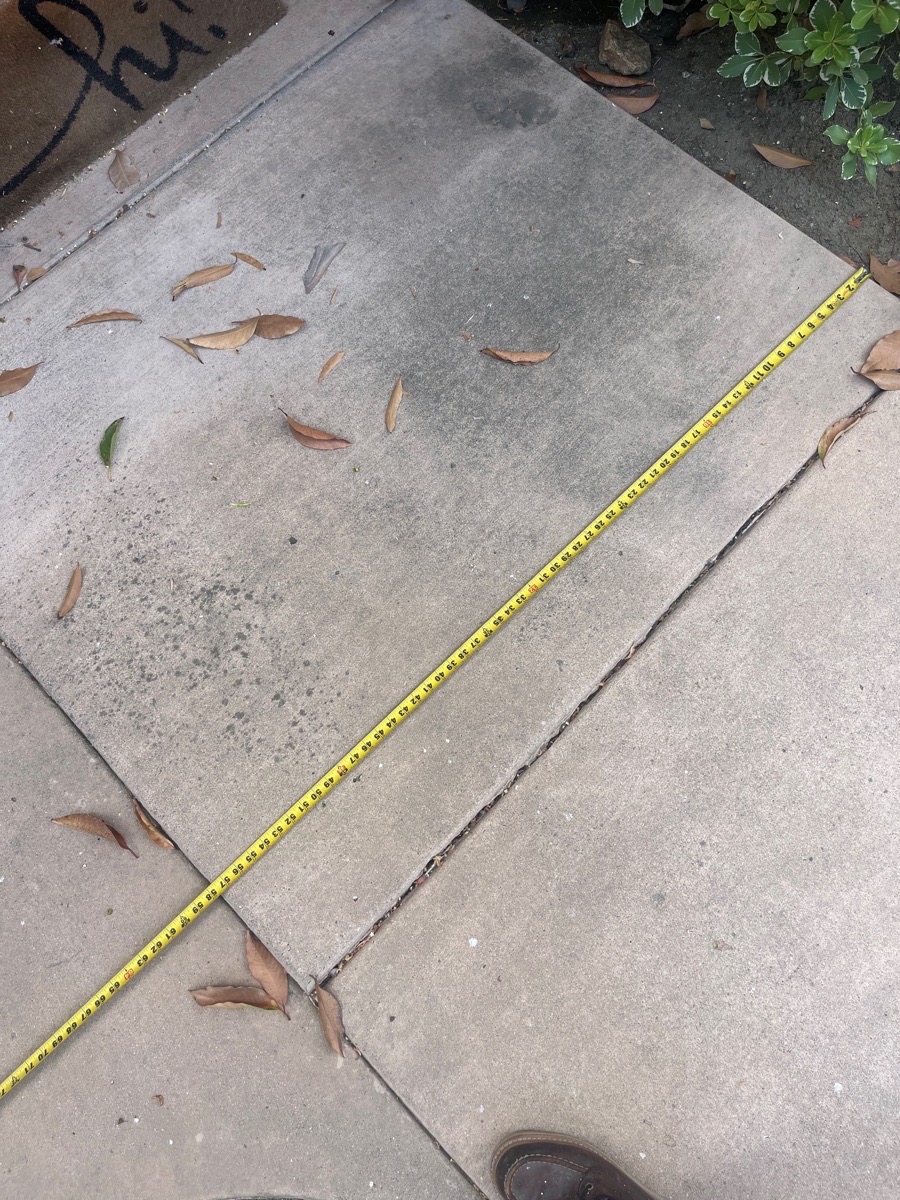
From AWC’s field library
See how AWC approaches dust control, surrounding property protection, and the water paths that can affect a repair.
AWC field video
Watch AWC demonstrate grinder dust collection. This separate field example shows one part of work-area control; the protection plan also needs access, surface protection, and cleanup.
Watch directly on YouTube ↗AWC article
Plan protection, debris movement, occupied access, and cleanup alongside the concrete work.
AWC article
Follow the outside water path and record visible changes before deciding which concrete, drainage, or adjoining repairs to price.
Concrete planning library
Use the guides to prepare better photos and questions. Field conditions and the written proposal still control the actual work.
Live entry planning
Plan an occupied-entry concrete repair around safe routing, door operation, deliveries, protection, and a controlled reopening handoff.
Step sequence decisions
Evaluate concrete steps, landings, rail interfaces, and finish transitions as one route before selecting a repair boundary.
Grade transition planning
Plan concrete repairs where walks, slopes, soil, walls, and landscape edges meet without guessing at movement or drainage causes.
Drainage boundary decisions
Document runoff, low edges, drains, downspouts, planting, and adjoining surfaces before assigning a concrete drainage repair.
Doorway water interfaces
Define responsibilities where an entry landing meets a threshold, channel or area drain, wall finish, and interior floor.
Adjacent finish protection
Plan repair edges where concrete meets tile, brick, pavers, stone, coatings, stucco, or other retained finishes.
Wall edge coordination
Plan concrete removal beside stucco, painted walls, foundations, posts, vents, and penetrations with clear trade boundaries.
Restricted access planning
Plan concrete work through side yards, gates, stairs, occupied paths, and finished interiors with clear staging and protection.
New owner guide
Is filling a crack around a railing post enough? A surface patch does not establish that a railing post and its support are secure. Review post movement, corrosion, anchorage and the surrounding concrete before selecting the finish repair. If the rail feels loose during normal use, keep people from relying on it and arrange evaluation. Do not shake it to test the limit or conceal an unresolved support issue.
Read the guide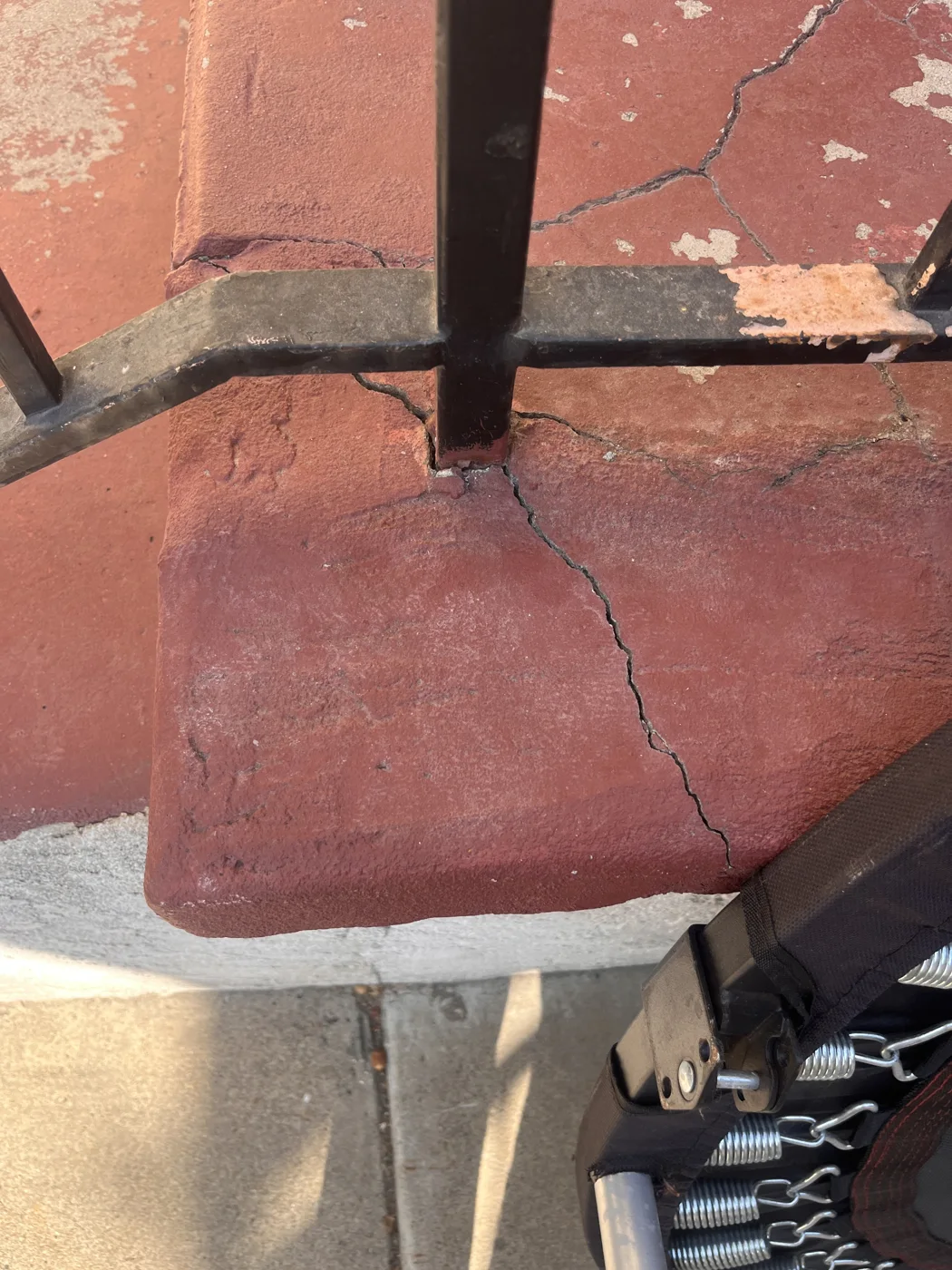
Authentic AWC field example
Concrete steps and landings need a defined work sequence, especially where damaged corners meet existing railing posts.
This shared AWC work example shows damaged corners, preparation, patching, and a resurfaced top before paint. The job location is not identified as Mission Hills.
See the repair sequence, photos, and field video
Railing and post repairs remain a separate required scope.